Start Where Your Body Needs You Most

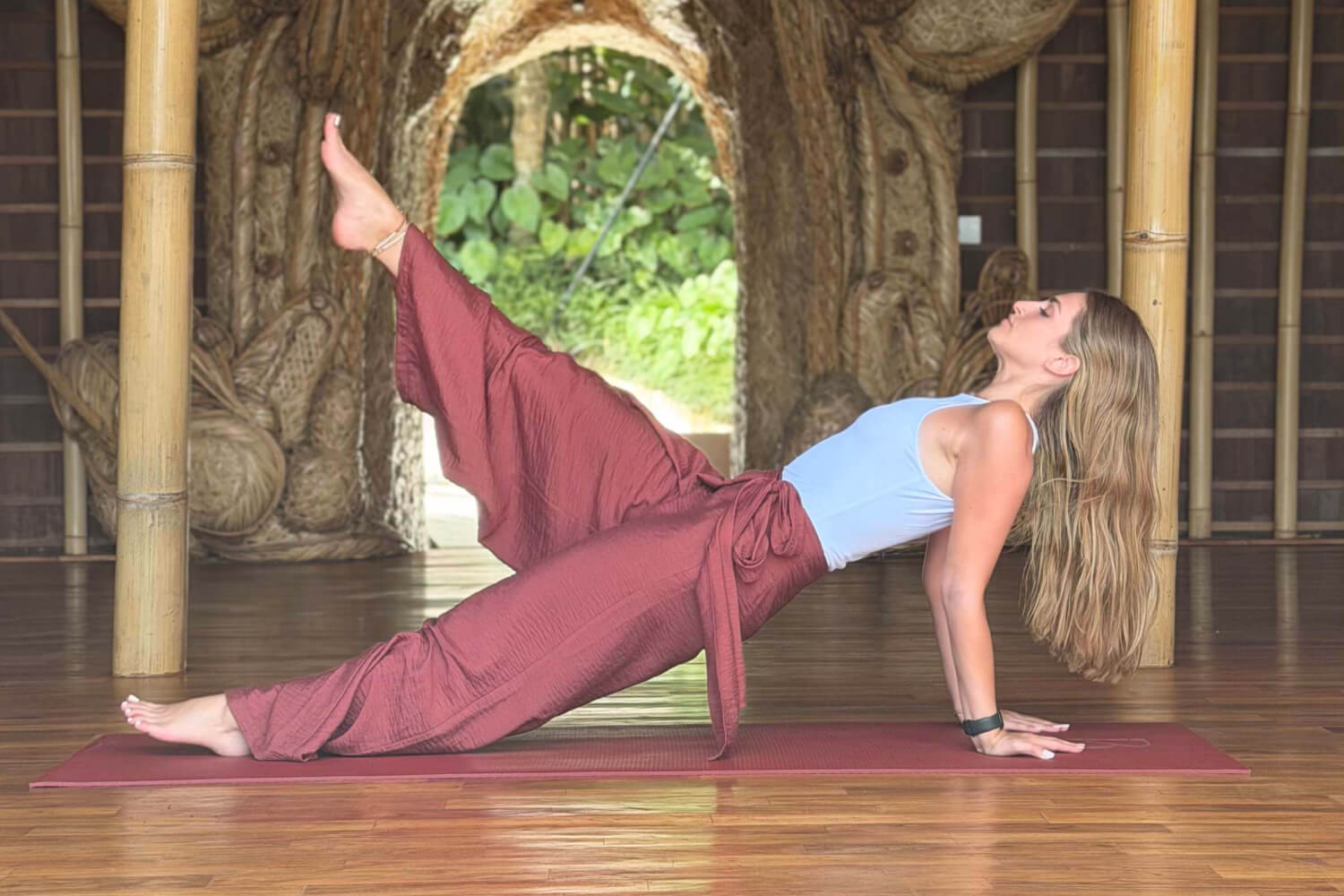
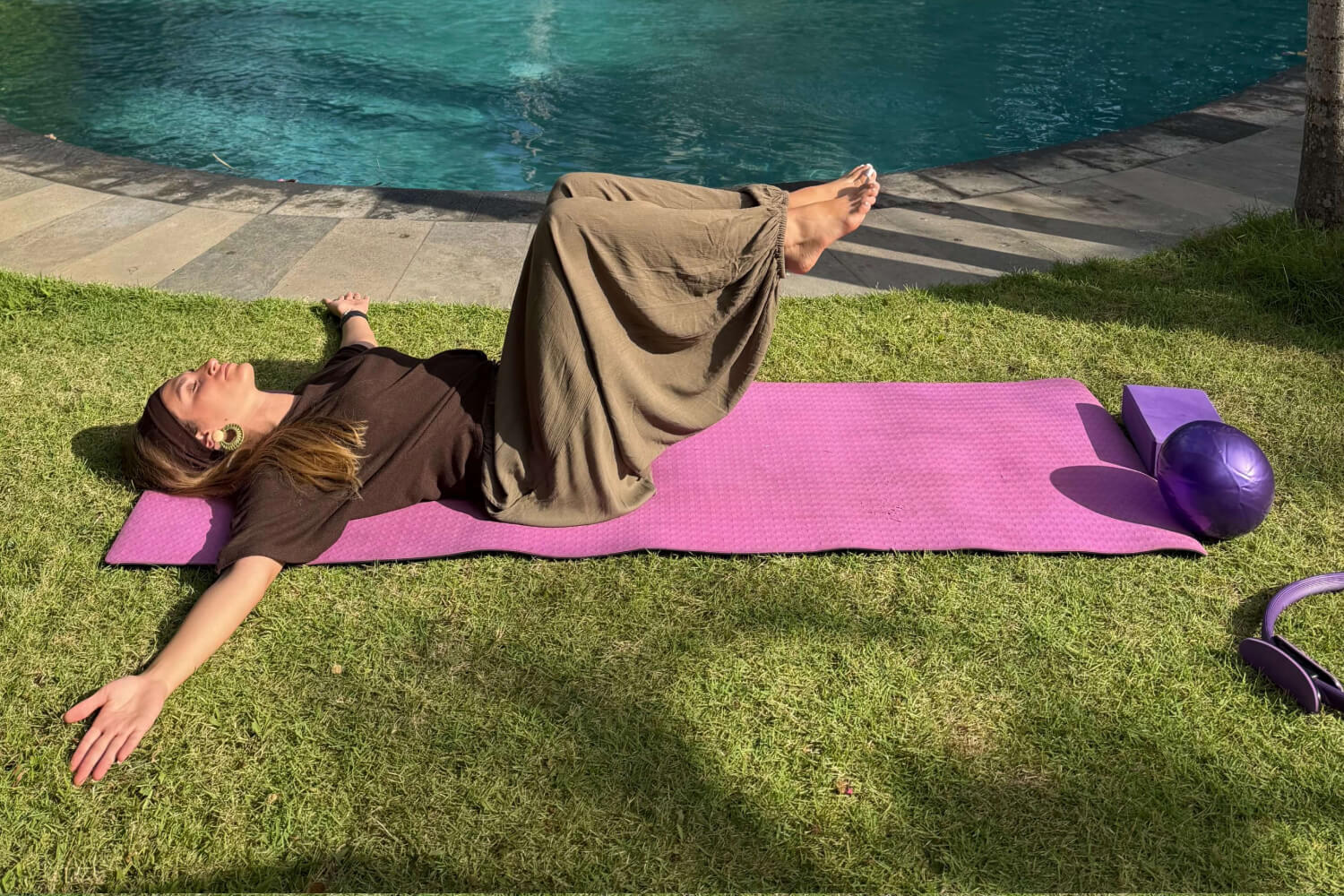
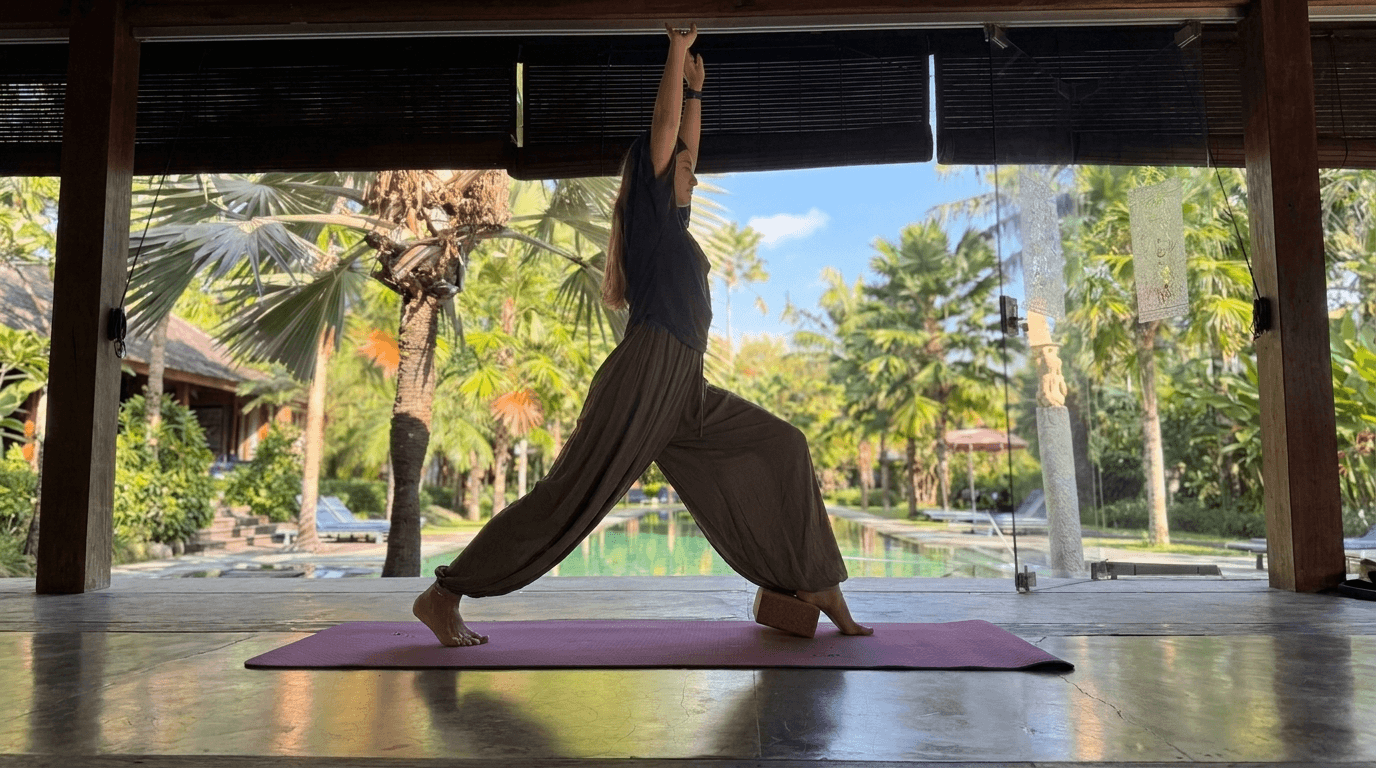
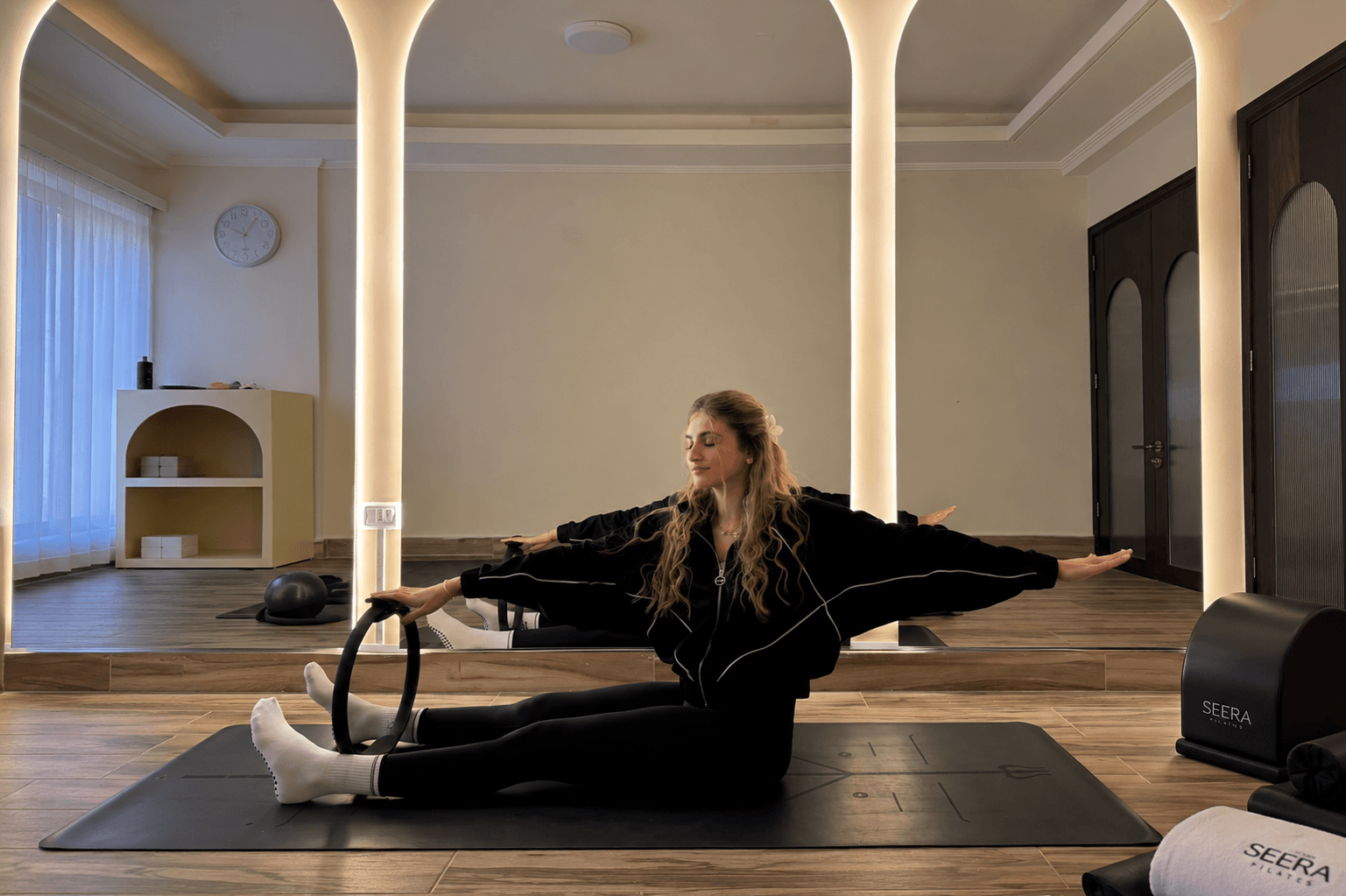
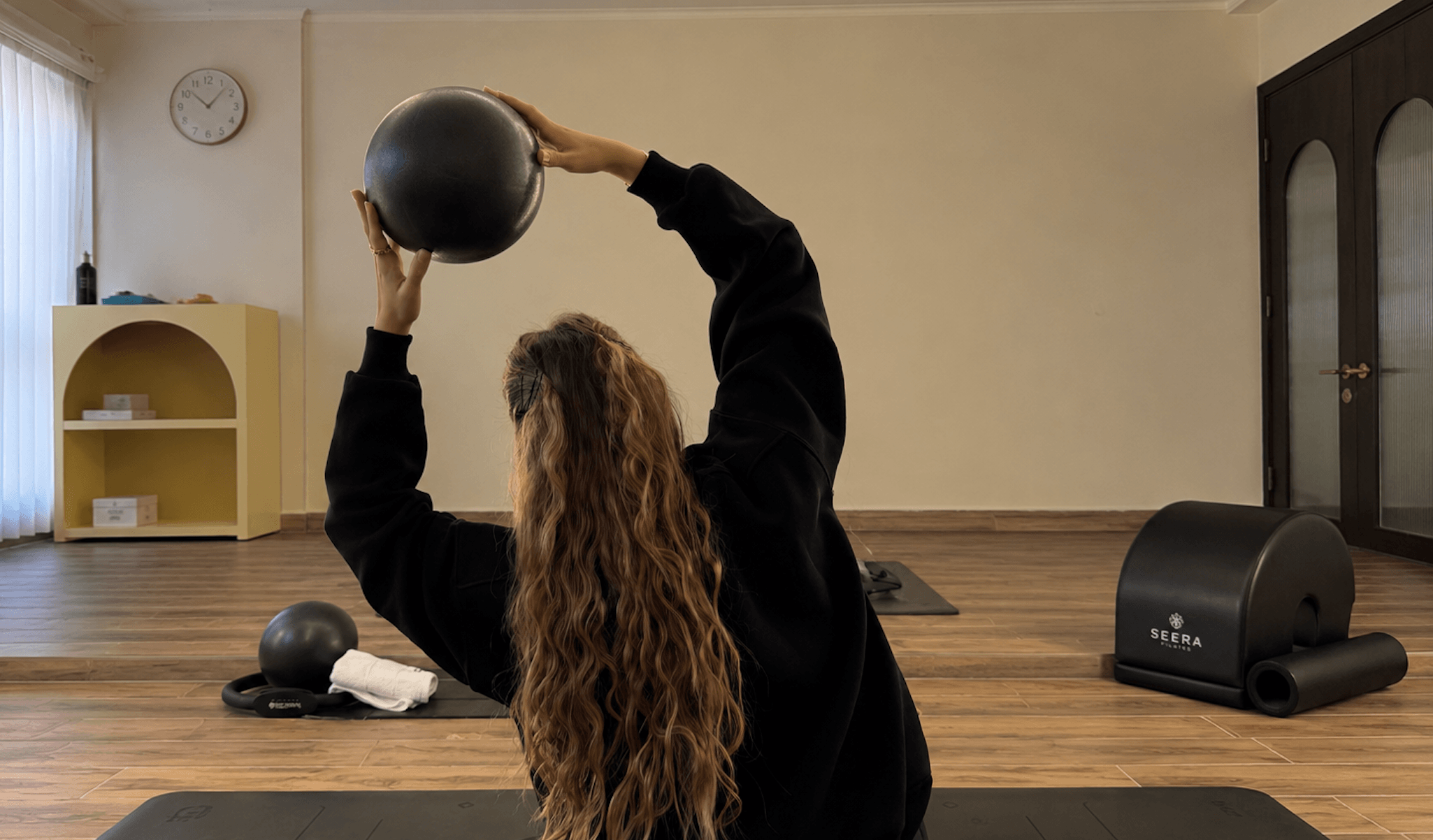
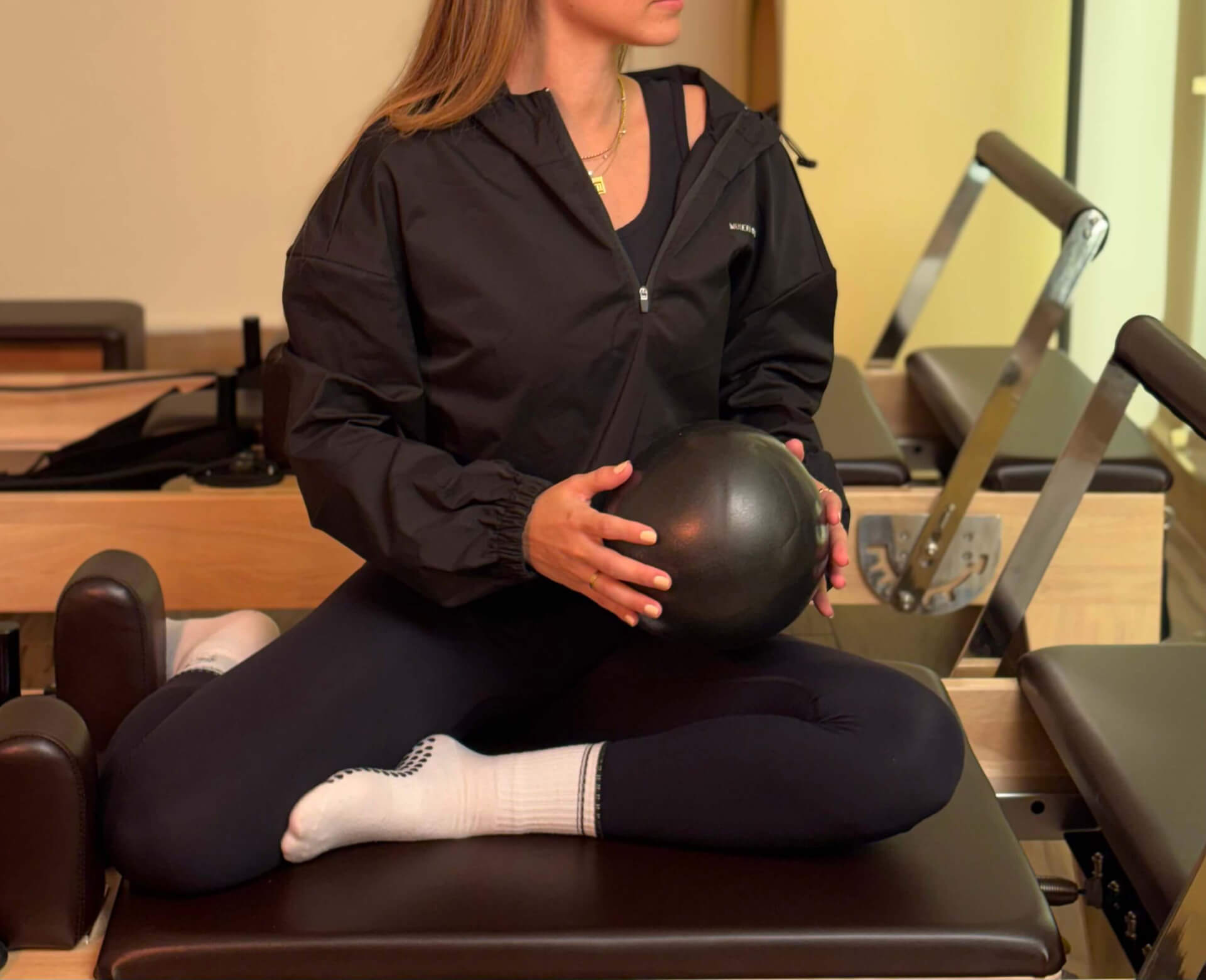
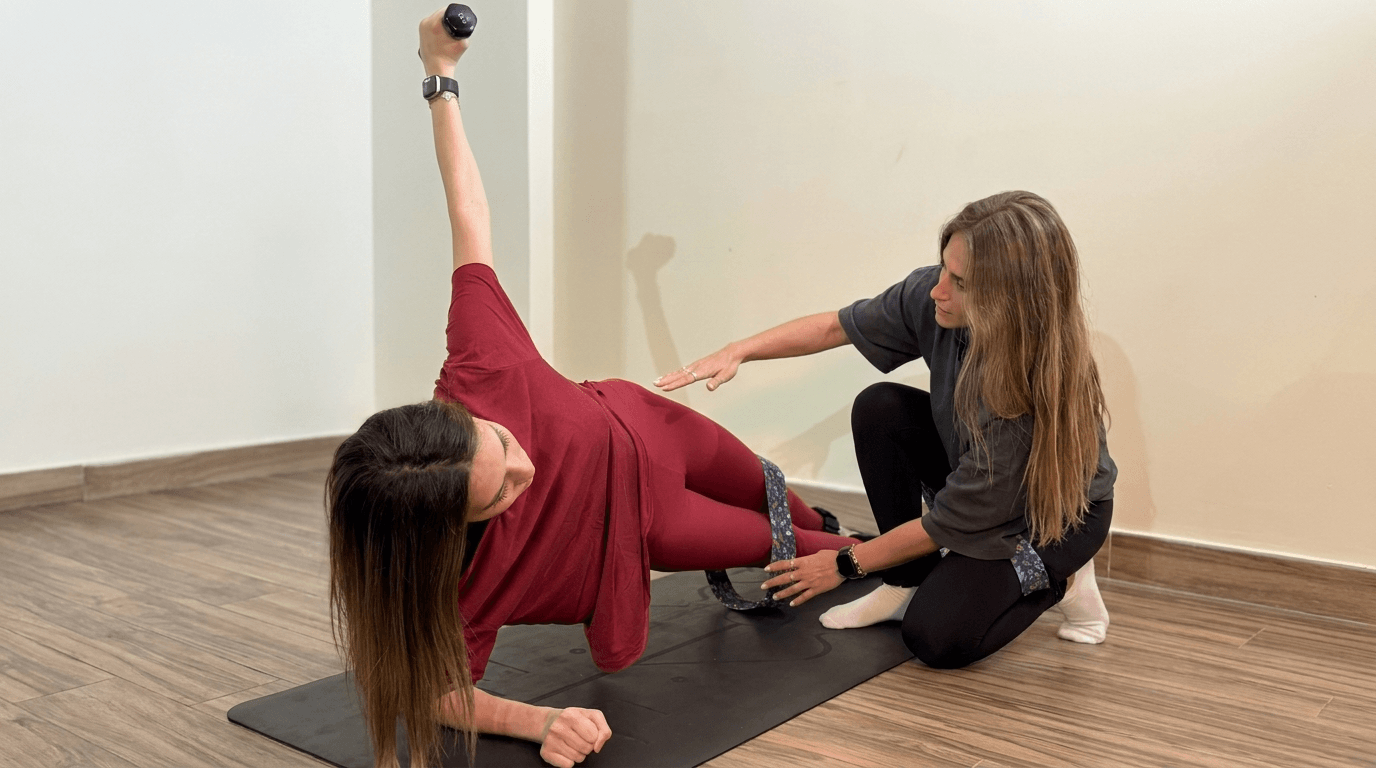
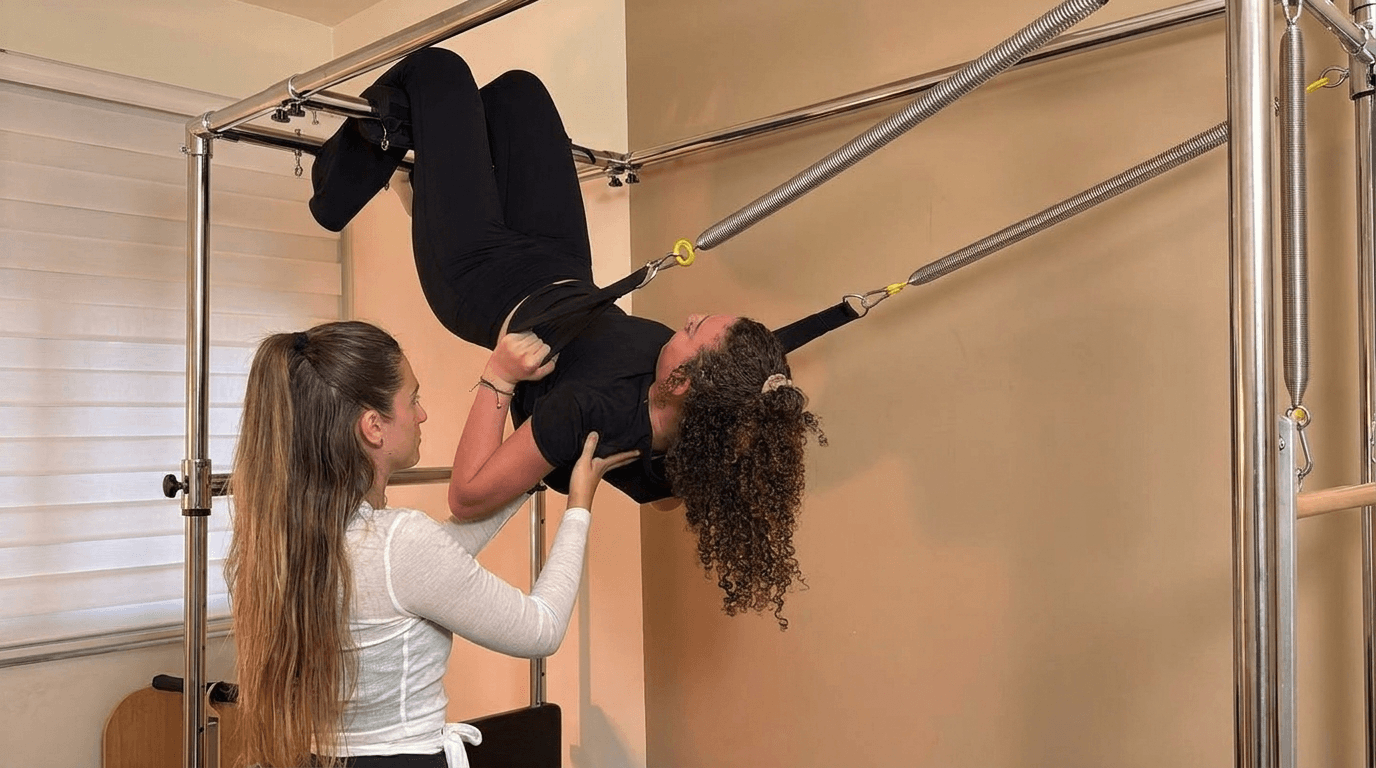
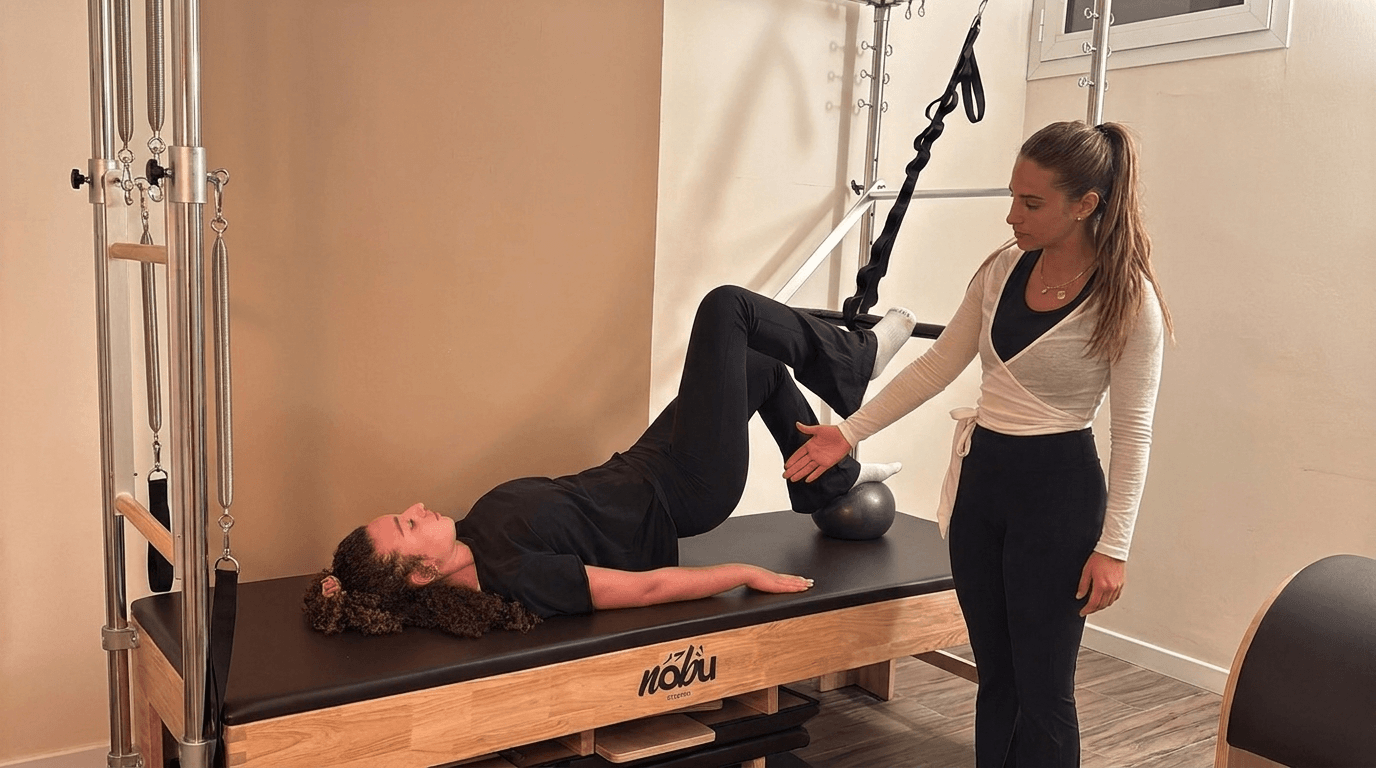
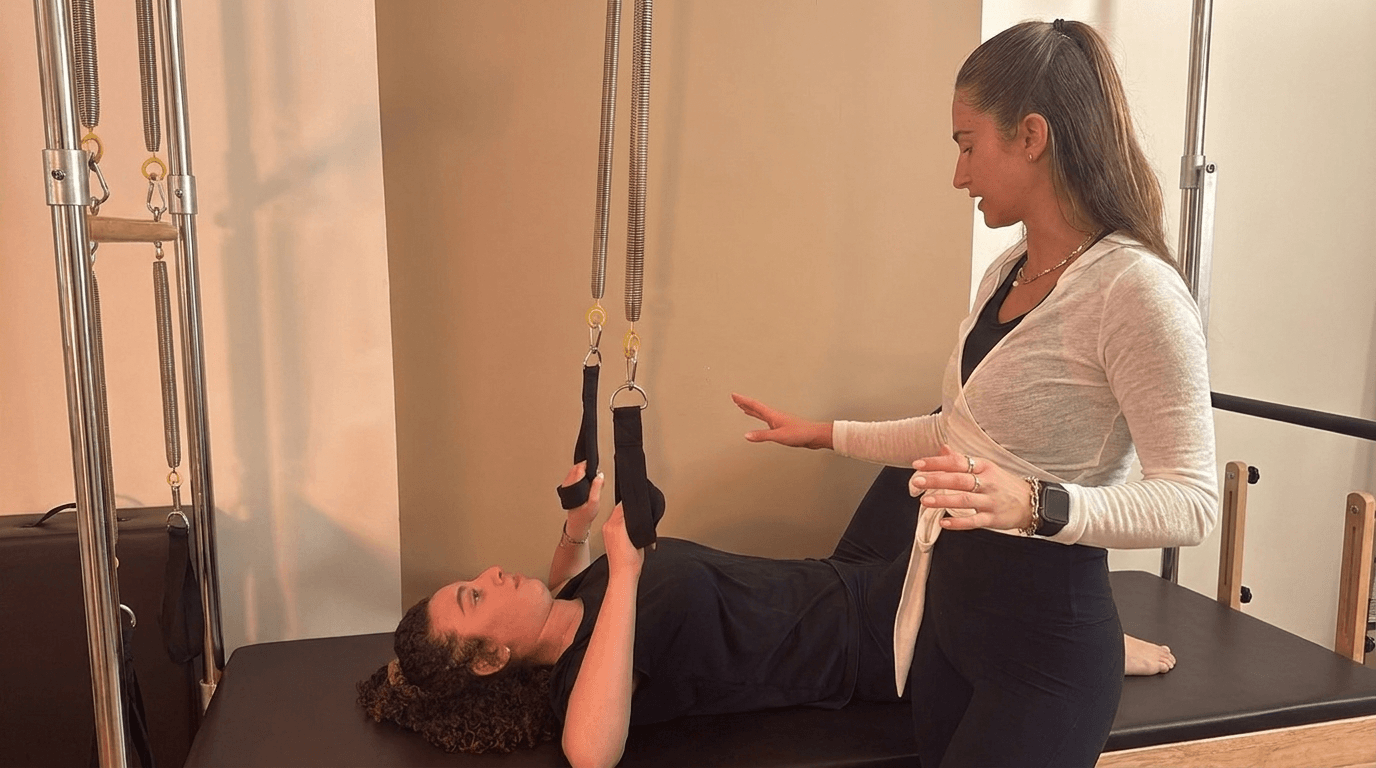
Seera offers structured Pilates sessions that vary by format, equipment, and pace, so you can pick what best supports your body at this stage. Choose from in-person or online Pilates sessions, guided live with attention to alignment, control, and safe progression.

Gentle Flow Classes

Where the body finds its rhythm and finally exhales

What is Gentle Flow Pilates?

Gentle Flow Pilates combines foundational Pilates movements with a calm, continuous rhythm. The pace is slower than traditional Mat Pilates, and the focus is on quality of movement rather than intensity.
You will work on alignment, core engagement, and breathing while moving smoothly from one exercise to the next. The goal is to help your body feel more open, balanced, and supported.

Who is this class for?

Gentle Flow Pilates is ideal if you are new to Pilates and want a clear, supportive introduction. It is also suitable if you are returning after a break or recovering from stress, tension, or long periods of inactivity.
Experienced clients often choose this class to slow down, refine technique, and focus on form and control. It is especially helpful if your body feels stiff, tired, or overloaded.
Because of its gentle structure, this class works well for all levels.

Upcoming Gentle Flow Classes

FAQs about Gentle flow classes

1. Do I need Pilates experience to join Gentle Flow?

No experience is required. Gentle Flow Pilates is designed to be easy to follow and supportive, making it a great starting point for beginners.

2. Is Gentle Flow Pilates suitable if my body feels stiff or tight?

Yes. This class focuses on slow, controlled movement and gentle mobility, which can help reduce stiffness and improve how your body feels over time.

3. Can I attend Gentle Flow Pilates online?

Yes. Gentle Flow Pilates is available both in-person and online. Online sessions are live and guided in real time, so you can follow clearly from home.

4. How is Gentle Flow different from regular Mat Pilates?

Gentle Flow Pilates moves at a slower pace and places more focus on breathing, alignment, and smooth transitions rather than intensity or challenge.

5. What should I expect to feel after class?

Most people feel more relaxed, lighter, and more comfortable in their bodies after class. With regular practice, you may also notice improved posture and mobility.

6. Is Gentle Flow Pilates only for beginners?

No. While it is beginner-friendly, experienced clients often use Gentle Flow Pilates to refine technique, slow down, and focus on control and awareness.

Mat Pilates Classes

A moment to reconnect with your center.

What is Mat Pilates?

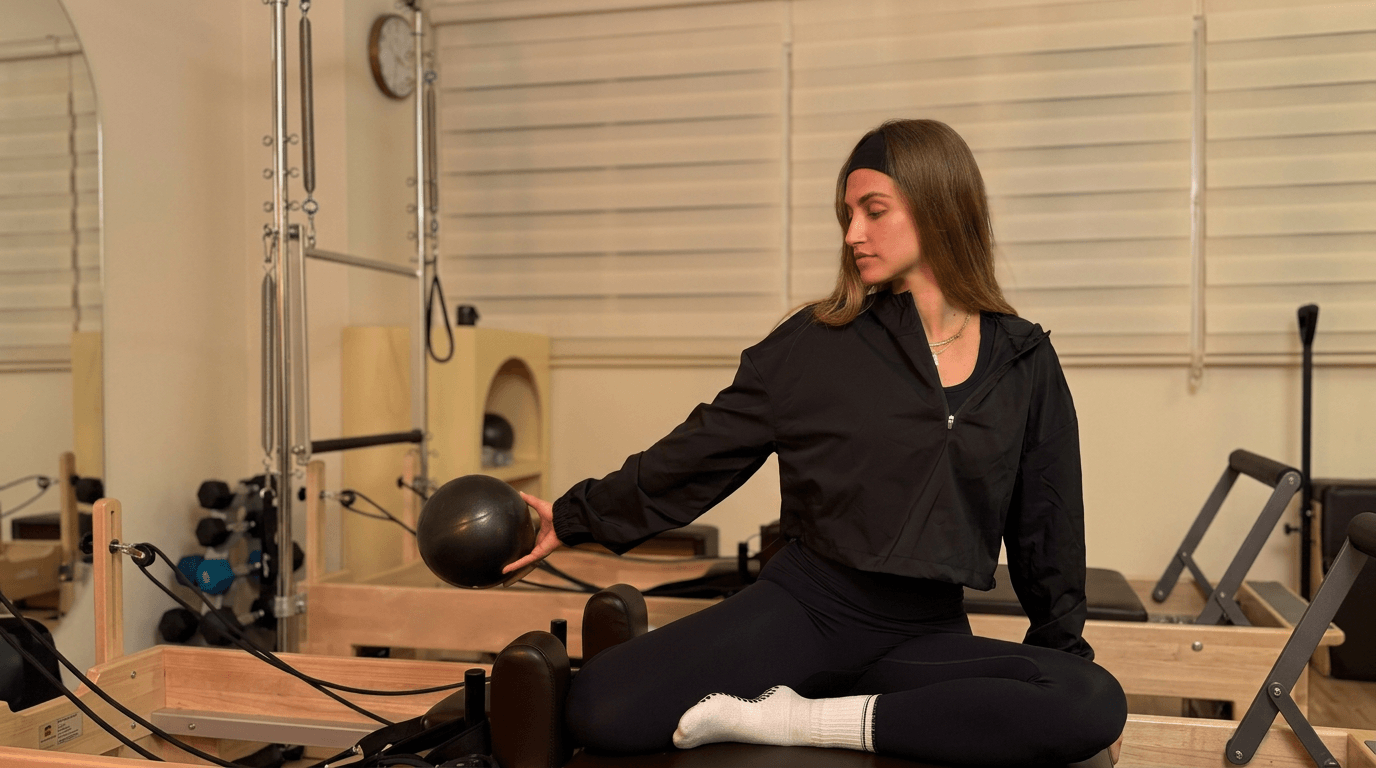
Mat Pilates is a classic Pilates practice performed on the mat using your own bodyweight and some equipment. It focuses on strengthening the deep core muscles that support posture, balance, and movement.
You will work through structured sequences that challenge stability, coordination, and control. Movements are precise and purposeful, with an emphasis on how the body moves rather than how much it moves. This class builds strength in a balanced way and supports better movement patterns over time.
Mat Pilates is available in-studio and online, making it a strong option for building consistency in your practice. Available in person and online.

It incorporates both traditional bodyweight exercises and the use of Pilates equipment to enhance strength, mobility, and control, creating a well-rounded practice that meets your body where it is.

Who is this class for?

Mat Pilates is suitable if you want to build strength, improve posture, and develop better body control. It works well for beginners who are ready to move beyond slower pacing, and for experienced clients who want a strong and focused mat practice.
This class is also ideal if you spend long hours sitting or feel weakness in the core, hips, or back. Movements are guided clearly and adapted when needed.

Upcoming Mat Pilates Classes

FAQs about Mat Pilates classes

1. Is Mat Pilates more challenging than Gentle Flow?

Yes. Mat Pilates focuses more on strength, control, and stability. The pace is more structured, and exercises require greater core engagement compared to Gentle Flow.

2. Will Mat Pilates help with posture and core strength?

Yes. Mat Pilates is designed to strengthen the muscles that support posture, including the deep core, hips, and back, which helps improve alignment over time.

3. Can beginners take Mat Pilates classes?

Yes. Exercises are guided clearly and can be adapted. Many beginners start with Mat Pilates once they feel comfortable moving at a steady pace.

4. Is Mat Pilates suitable if I sit for long hours?

Yes. Mat Pilates is especially beneficial if you spend long periods sitting, as it works on core support, hip strength, and spinal mobility.

5. How often should I practice Mat Pilates?

Practicing three to five times per week is enough to notice improvements in strength, control, and overall movement quality.

6. What makes Mat Pilates different from other core workouts?

Mat Pilates focuses on controlled movement, breath, and alignment rather than repetition or speed. The goal is to build strength that supports how your body moves every day.

Hot Mat Pilates Classes

A deep, refreshing reset.

What is Hot Mat Pilates?

Hot Mat Pilates is a mat-based Pilates class practiced in a heated room. It follows the principles of traditional Mat Pilates while using heat to support mobility and muscle activation. The temperature allows the body to move with less resistance while still working through strength and control.
You will focus on core stability, posture, and full-body engagement through clear and guided sequences. Movements remain precise, but the heat adds an extra layer of challenge and release.
This class is designed for those who want to work deeper while staying connected to proper form.

Who is this class for?

Hot Mat Pilates is ideal for those who enjoy a more energizing and challenging practice while still focusing on the foundations of Pilates: breath, control, alignment, and mindful movement. It is suitable for anyone looking to build strength, improve endurance, increase flexibility, and experience a deeper connection with their body.
Whether you are new to Pilates or more experienced, the class can be adapted to your level. The heat adds an extra challenge, but the focus remains on moving safely, intentionally, and at your own pace.

Upcoming Hot Mat Pilates Classes

FAQs about Hot Mat Pilates

1. Is Hot Mat Pilates very intense?

Hot Mat Pilates can feel more challenging due to the added heat, which increases the intensity of the workout and encourages deeper focus and endurance. However, like all Pilates classes, movements can be modified to suit your level while maintaining proper form and control.

2. Do I need Pilates experience to take this class?

Some familiarity with pilates is helpful, but not required. Clear guidance is provided, and modifications are available.

3. Is Hot Mat Pilates safe?

Yes, when practiced with awareness. Hydration is important, and you are always encouraged to listen to your body during class.

4. How hot is the room?

The room is typically heated between 30 and 35 degrees Celsius to support muscle release and flexibility.

5. What should I bring to class?

Honestly, just yourself! Wear something you feel comfortable moving in and bring along a pair of grip socks just to make sure you stay steady and don't slip.

6. How is Hot Mat Pilates different from regular Mat Pilates?

Hot Mat Pilates uses heat to deepen mobility and muscle engagement, while regular Mat Pilates is practiced at room temperature with a focus on controlled strength.

Reformer Classes

Strength that feels as good as it looks.

What is Reformer Pilates?

Reformer Pilates is a dynamic Pilates practice performed on a specialized machine that uses springs, resistance, and controlled movement to support and challenge your body. The Reformer helps improve strength, flexibility, balance, posture, and body awareness while allowing for a deeper connection between breath and movement.
You will move through structured sequences that train the core, legs, arms, and back. This method is especially effective for building strength without impact and improving how the body moves as a whole.

Who is this class for?

Designed for every stage of your journey, Reformer Pilates welcomes beginners and experienced clients alike. Whether you are building confidence, recovering your connection with movement, or looking to deepen your practice, each session is tailored to help you move with control and intention.
Beginners benefit from the guidance and structure of the machine. Experienced clients use the reformer to deepen strength, precision, and control.
This class adapts well to different levels and goals.

Upcoming Sculpt Pilates Classes

FAQs about Sculpt Pilates Classes

1. How is Reformer Pilates different from Mat Pilates?

Reformer Pilates uses spring resistance and a moving platform to support and challenge the body.

2. Is Reformer Pilates suitable for beginners?

Yes. The machine provides support and structure, making it accessible for beginners while still offering a challenge for experienced clients.

3. Are Reformer classes group or private?

Reformer Pilates is available as both group sessions and private sessions.

4. Does Reformer Pilates help with posture?

Yes. Reformer Pilates focuses on alignment and controlled movement, which supports better posture over time.

5. Is Reformer Pilates low-impact?
Yes. Movements are controlled and supported by the machine, making it gentle on the joints.
6. How often should I practice Reformer Pilates?
Consistency is the key to seeing progress. Practicing Pilates 2–3 times per week is a great starting point but with regular practice, you’ll begin to notice changes in your movement, posture, and overall connection with your body.

Sculpt Classes

Mindful movement with resistance.

What is Sculpt Pilates?

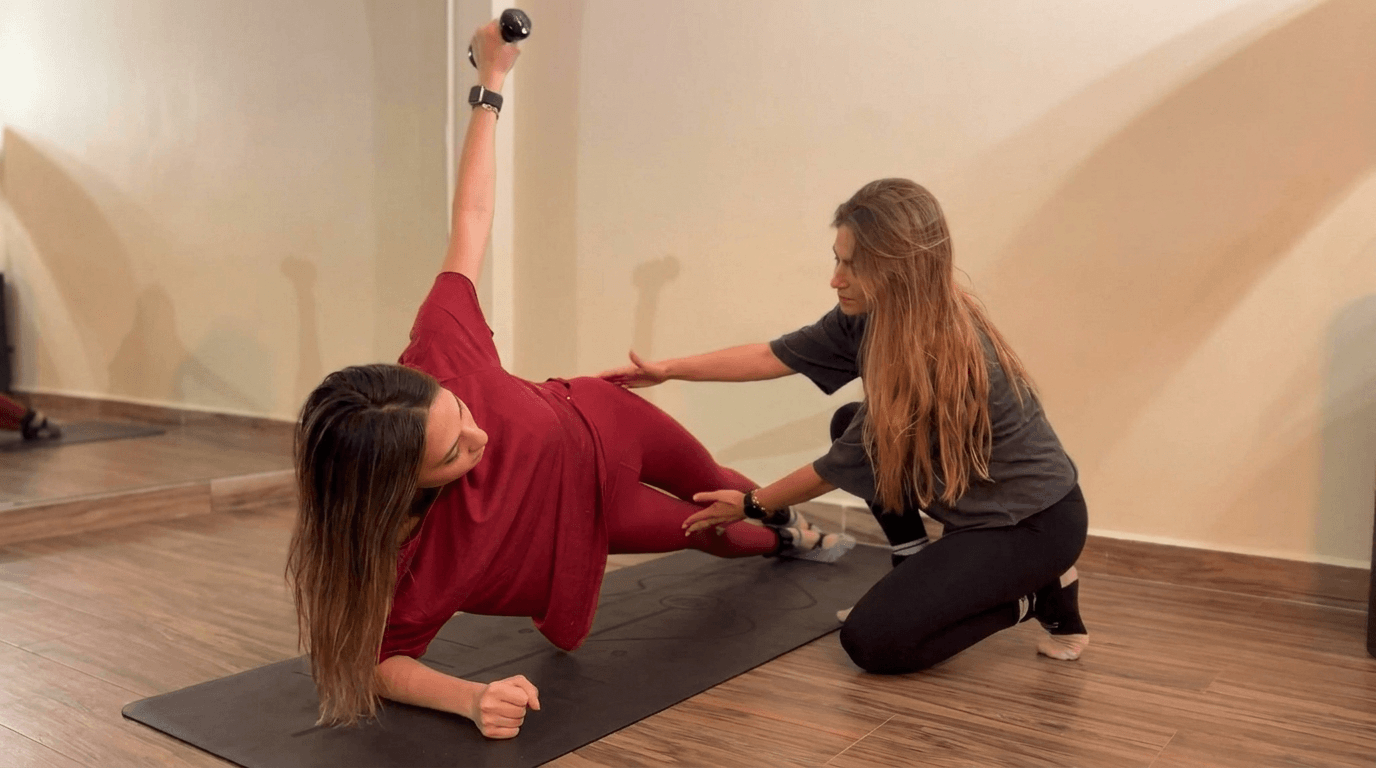
Sculpt Pilates is a modern fusion practice that blends classic Pilates principles with strength-training and light-cardio elements. It focuses on building muscle tone and definition while keeping core control, alignment, and precision that Pilates is known for.

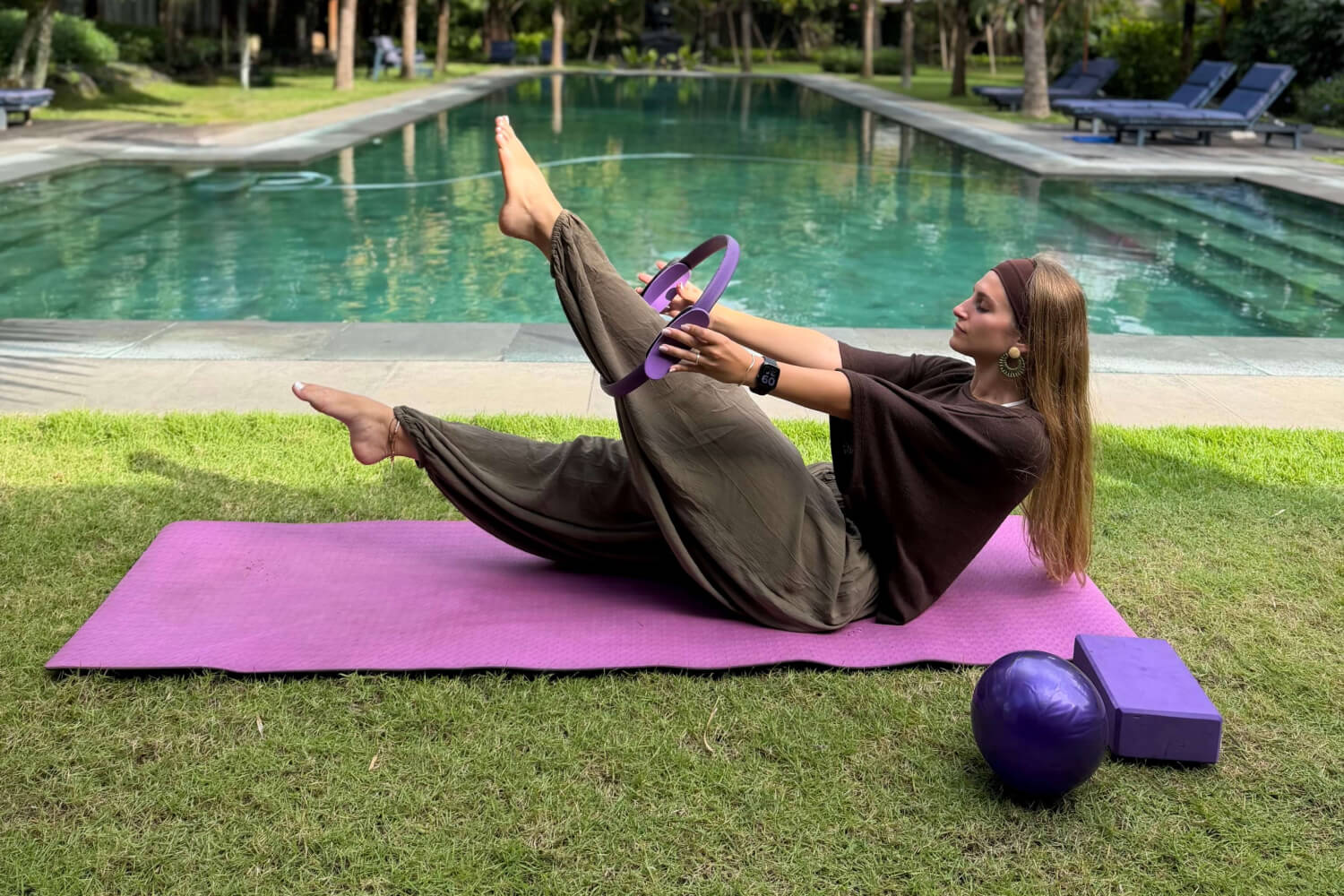
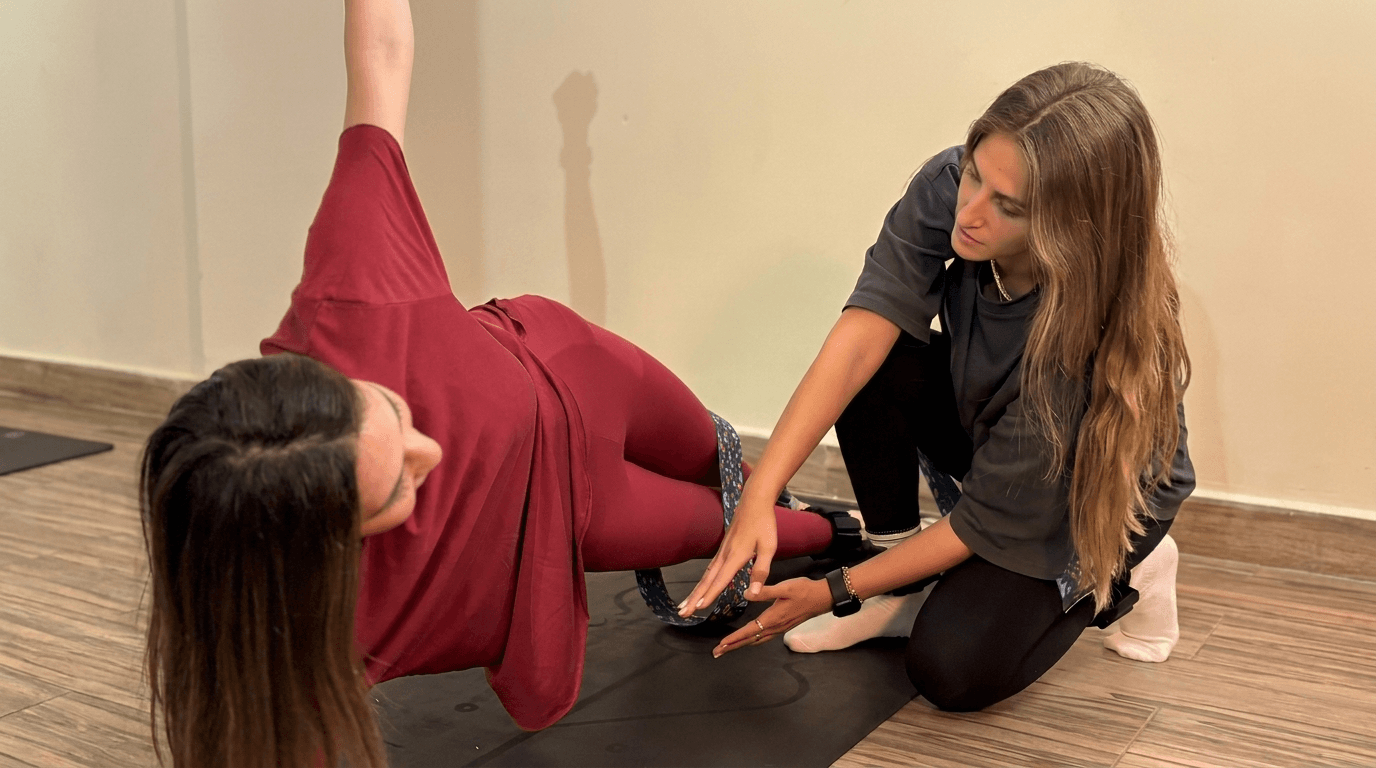
You will work through core-centered sequences using light hand weights, resistance bands, or a Pilates ring, combined with higher-rep exercises and isometric holds that create a deep muscle burn. Movements stay controlled and low-impact, but the pace and added resistance push your muscles toward fatigue rather than just stability.

Sculpt Pilates is available in-studio and online, and can be done on a mat or on a reformer, making it flexible for different preferences and equipment access.

Who is this class for?

Sculpt Pilates is a great fit if you want more visible muscle toning and definition than classic mat Pilates offers, without moving to high-impact or heavy-lifting workouts. It works well for beginners easing into strength training, as well as experienced Pilates-goers looking to add a bit more burn and cardio to their routine.

Because it's low-impact and adaptable with light weights or bands, it also suits people managing joint sensitivity, returning to exercise after a break, or simply wanting a balanced practice that builds strength, tone, and core control all at once.

Upcoming Sculpt Pilates Classes

FAQs about Sculpt Pilates Classes

1. Do I need any equipment for Sculpt Pilates?

Yes at ring, but some studios offer reformer sculpt classes that use the machine's springs for added resistance. You can start with just a mat and bodyweight if you're new.

2. Is Sculpt Pilates good for beginners?

Yes. Movements are controlled and low-impact, and most exercises can be modified in intensity by adjusting reps, weight, or range of motion. It's a great entry point for building strength safely.

3. How is Sculpt Pilates different from regular Pilates?

Regular Pilates emphasizes control, flexibility, and core stability with minimal added resistance. Sculpt Pilates adds light weights, higher reps, and isometric holds to focus more on muscle toning and calorie burn, while still keeping Pilates' core-focused, low-impact foundation.
4. Will Sculpt Pilates help me lose weight or build muscle?

It can support muscle toning and definition, and the added strength and light-cardio elements do increase calorie burn compared to classical Pilates. However, like most Pilates formats, it's best combined with a balanced diet and consistent routine for visible results.

5. How often should I do Sculpt Pilates?

Most people see good results with 2–4 sessions per week, allowing rest days in between for muscle recovery. Consistency matters more than frequency, so it's fine to start with 1–2 classes a week and build up.

6. Is Sculpt Pilates easy on the joints?

Yes, it's low-impact by design, there's no jumping or jarring movement. This makes it a good option for people with joint sensitivity, those returning to exercise, or anyone looking for a strength workout that's gentle on the body.

Cadillac Pilates Classes

Finding freedom in every stretch.

What is Cadillac Pilates?

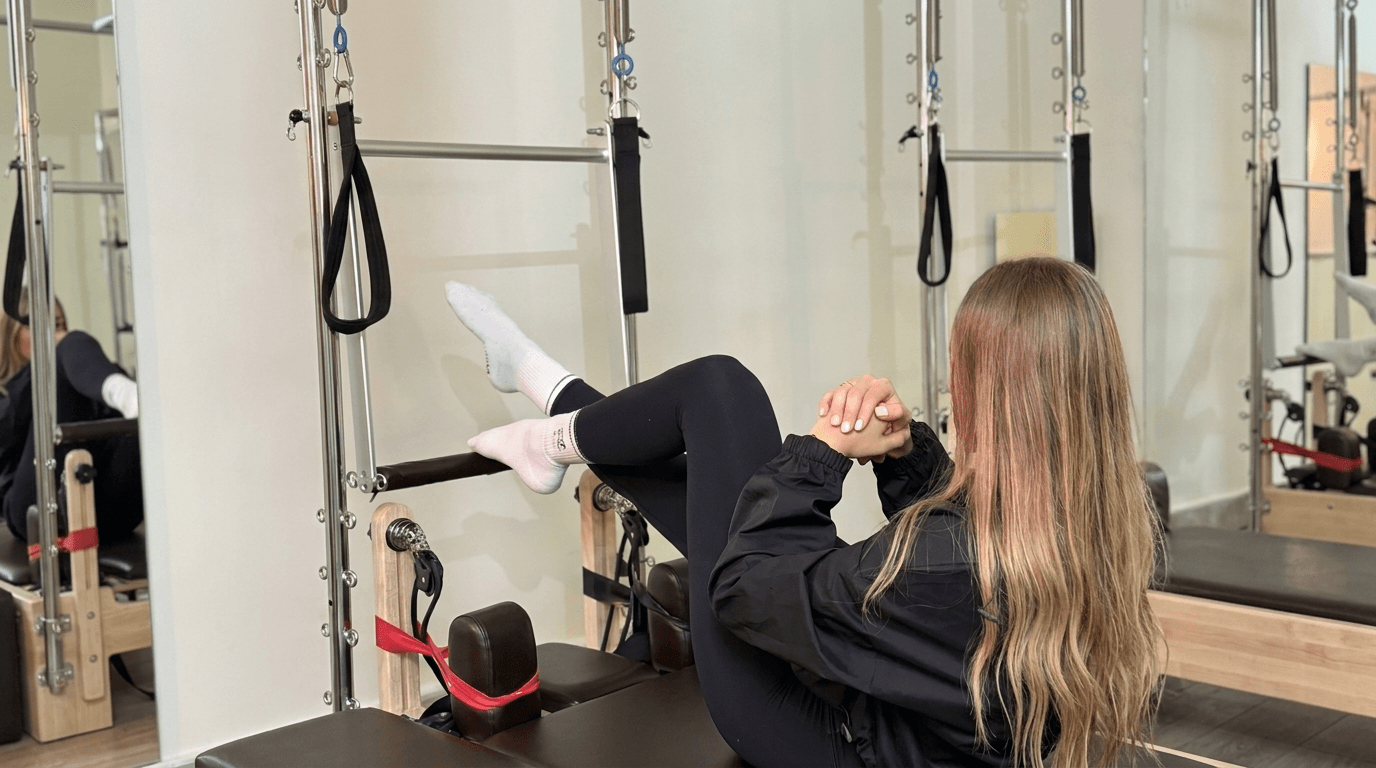
Cadillac Pilates is a private Pilates session performed on the Cadillac apparatus, also known as the Trapeze Table. This equipment uses springs, bars, and straps to guide movement with a high level of support and control.
The apparatus allows movements to be assisted, resisted, or fully supported depending on the goal of the session. You will work through carefully structured exercises that focus on posture, joint stability, and controlled strength. The Cadillac provides constant feedback, helping the body move with clarity and precision.

Who is this class for?

Cadillac Pilates is ideal if you want a fully personalized Pilates experience. It is well-suited for clients who prefer one-on-one guidance and need a practice tailored to their body.
This session works well for injury recovery, posture correction, controlled strength building, or refining technique. It is also beneficial for experienced clients who want to deepen their practice with precision.
Because of its supportive nature, the Cadillac adapts to many different needs and stages.

Upcoming Cadillac Pilates Classes

FAQs about Cadillac Pilates classes

1. Why are Cadillac Pilates sessions private only?

The Cadillac apparatus allows for highly specific and guided movement. Private sessions ensure full attention, safety, and exercises tailored to your body.

2. Is Cadillac Pilates suitable for beginners?
Yes. The supportive nature of the equipment makes it accessible for beginners when guided privately by an instructor.
3. Can Cadillac Pilates help with injury recovery?
Cadillac Pilates is often used for controlled strength and alignment work. It can be adapted to support recovery when appropriate.
4. How is Cadillac Pilates different from Reformer Pilates?
Cadillac Pilates focuses more on assisted and supported movement, while Reformer Pilates emphasizes resistance and dynamic strength.
5. How long is a Cadillac Pilates session?

Session length depends on your booking. Most private sessions follow a structured time format guided by your needs.

6. How often should I take Cadillac Pilates sessions?
Frequency depends on your goals. Many clients benefit from weekly sessions for consistency and progress.

What our clients say